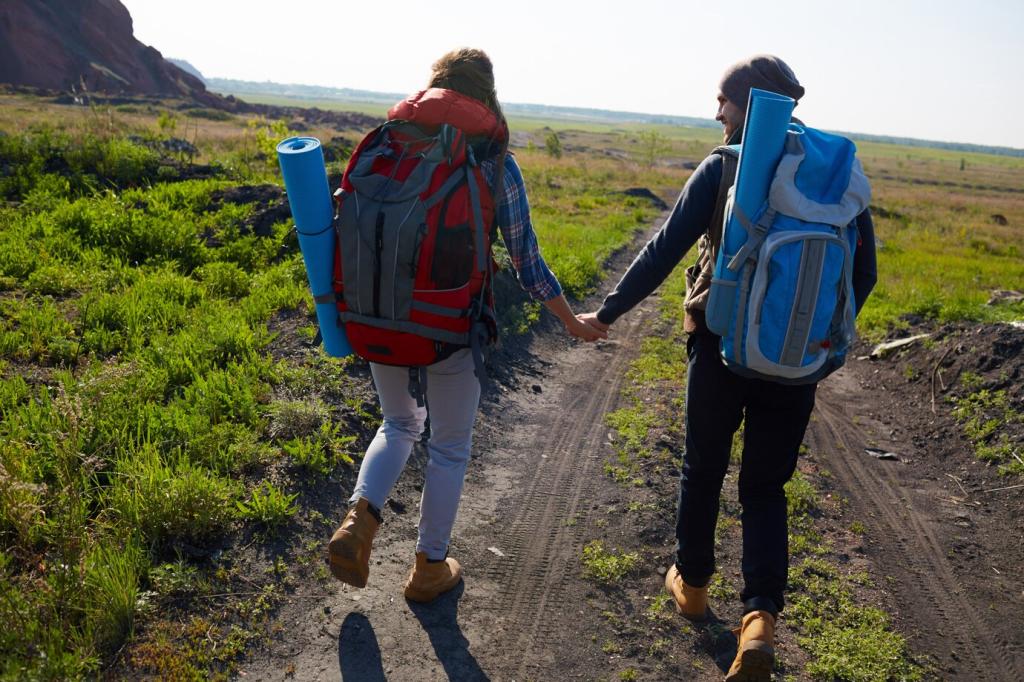
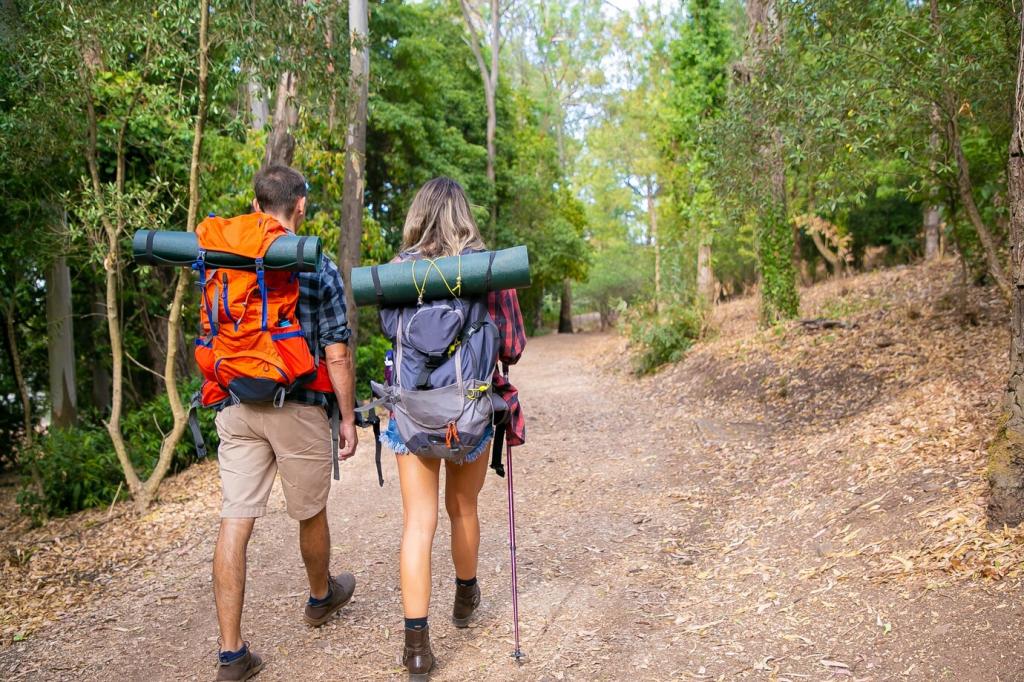
Chosen theme: Hidden Trails of National Parks. Discover quiet footpaths, overlooked ridgelines, and secret boardwalks where solitude, stewardship, and wonder intertwine. Subscribe, share your route‑finding stories, and wander wisely without leaving scars.
How to Find Hidden Trails Without Harming Them
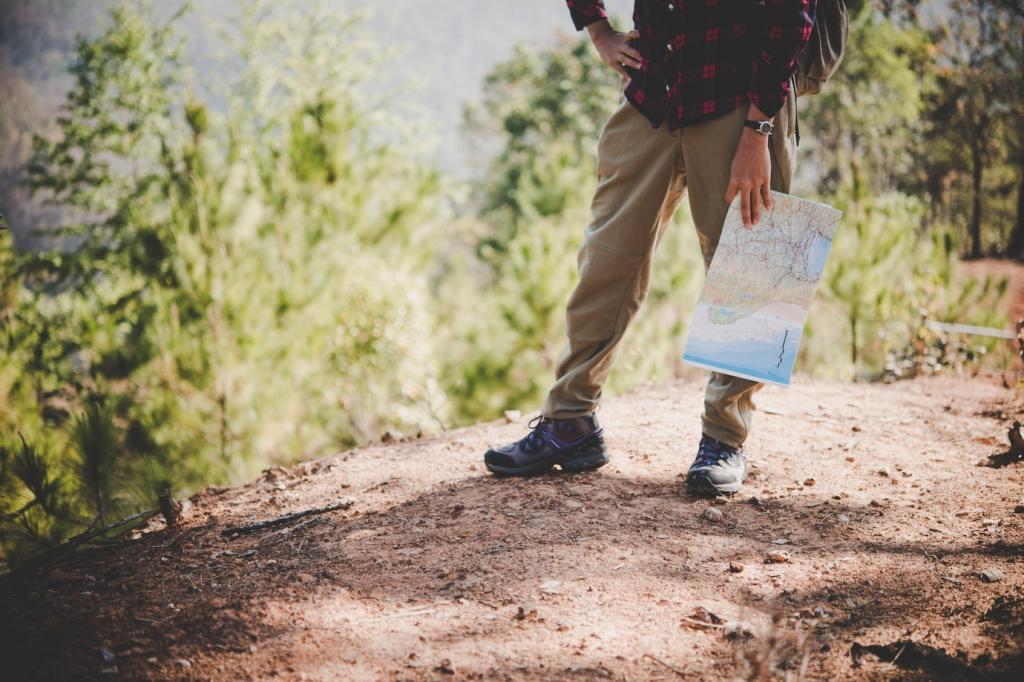
Start with park maps and old topographic quads, comparing faint dashed lines, contour pinch points, and forgotten connectors. Cross‑reference seasonal closures and trail condition notes, then verify with recent trip reports that emphasize ethics.
How to Find Hidden Trails Without Harming Them
Ask rangers about little‑traveled loops, historical rights‑of‑way, and current restoration areas. Trail crew volunteers often know subtle reroutes and hazards. Listen carefully, take notes, and respect any requests to keep sensitive spots quiet.
How to Find Hidden Trails Without Harming Them
Explore with intention but avoid blasting locations online. Omit precise coordinates, protect sensitive habitats, and share principles instead of pins. Invite others to learn responsibly, and encourage subscribing for guidance rooted in stewardship.
We started in the blue hush after a night storm, our headlamps flicking across wet huckleberry leaves. The official trail ended at a saddle, yet a faint, careful path threaded higher, smelling of fir and lightning‑washed stone.
At first light, fog gathered in the valleys and an elk appeared, silent as breath, antlers jeweled with mist. We crouched, hearts pounding, letting the moment pass without a shutter click, choosing awe over evidence.
On the descent, we agreed not to post exact directions—only lessons about timing, weather windows, and humility. If this story resonates, subscribe and share your own dawn vow to protect the places that changed you.
Seasons and Timing for Hidden Trail Magic
Early spring and late fall often thin the crowds while revealing structure in forests and ridges. Bare branches, cool air, and low sun make subtle paths easier to read and photograph, if you carry layers and respect unstable weather.
Opt for trail shoes with grippy, low‑noise soles and breathable gaiters to brush through dew‑heavy grass. Combine wicking base layers with a wind shirt and warm hat so you can pause silently without shivering away the moment.
Gear That Keeps You Quiet, Capable, and Kind
Carry a filter compatible with shallow sources, high‑calorie snacks, and a small emergency bivy. Add a whistle and lightweight satellite messenger for check‑ins. Tell a friend your route plan and encourage them to subscribe for templates.
Wildlife Encounters on Quiet Routes
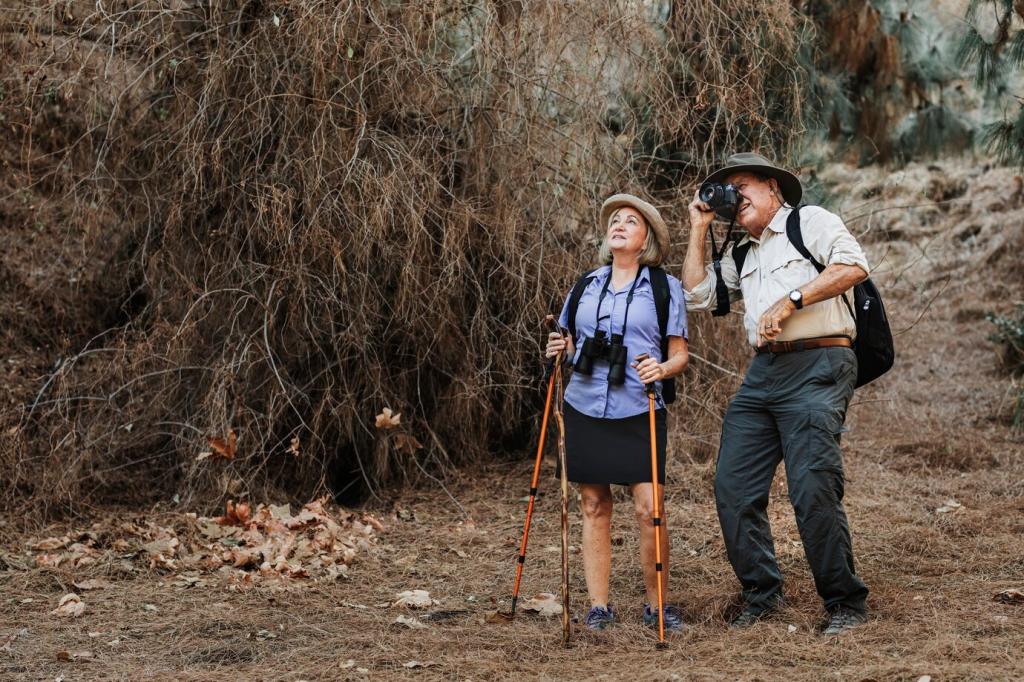
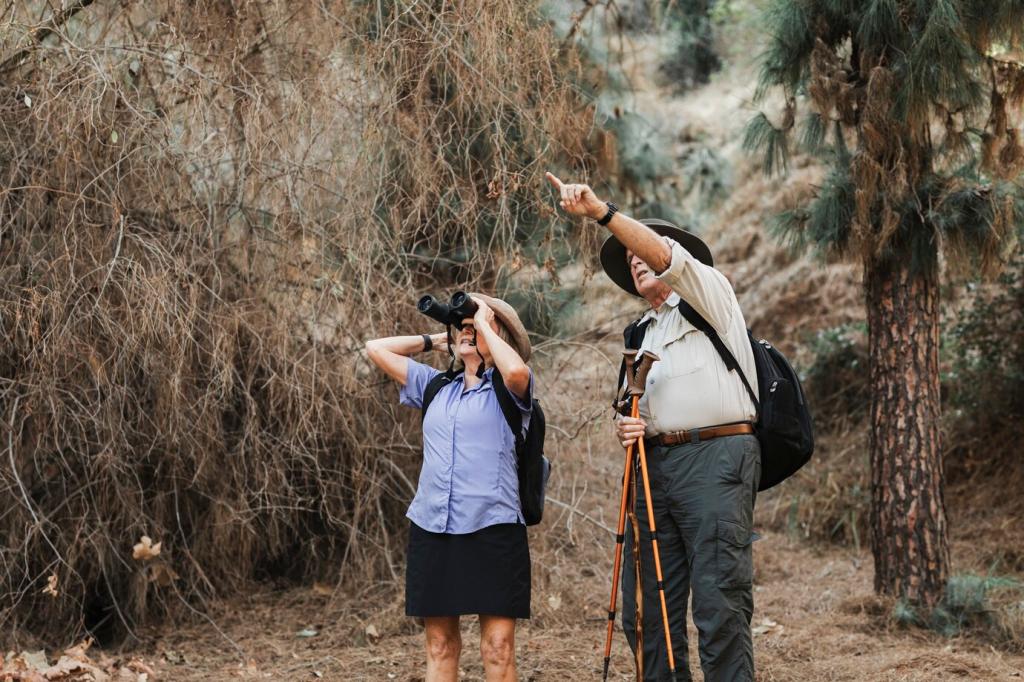
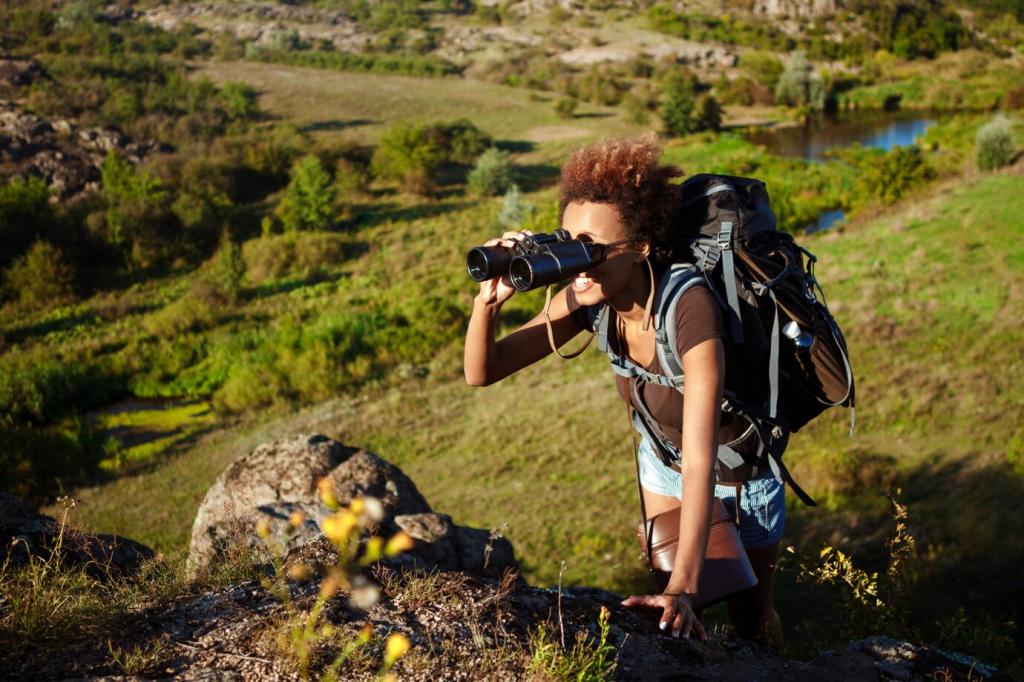
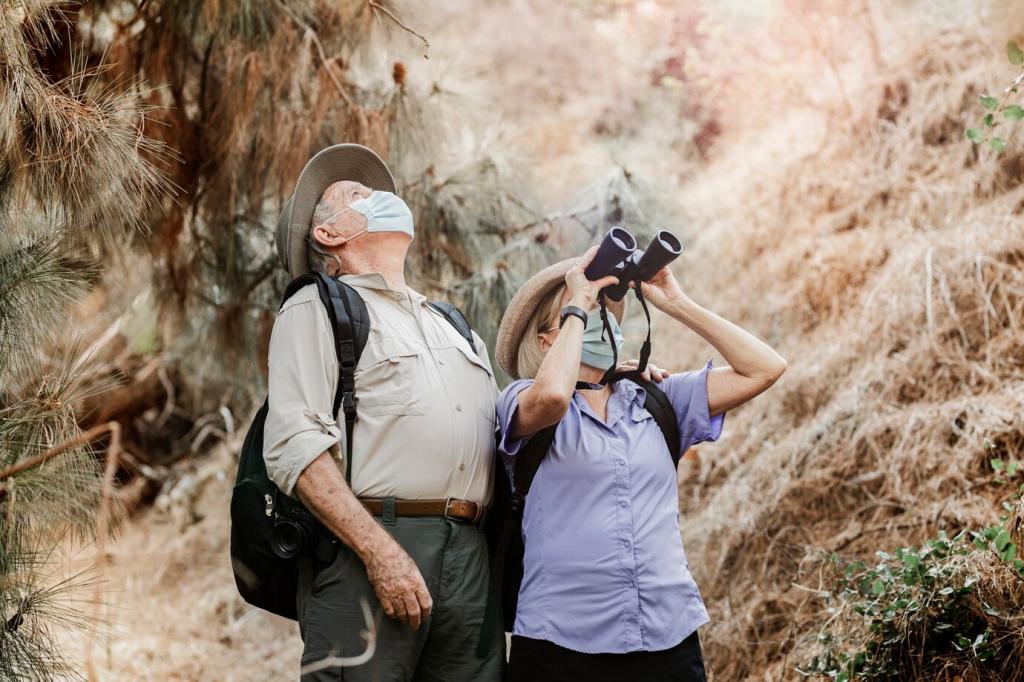
Use binoculars to watch behavior without intruding. If an animal changes posture or path because of you, you are too close. Share your favorite respectful wildlife moments in the comments, inspiring a culture of gentle curiosity.
Photography and Storytelling Without Oversharing
Frame textures, light shafts, and footfall‑level details instead of identifiable summits. Think of photographs as invitations into feeling, not maps. Post processing can emphasize mood while softening clues that would direct heavy traffic.
Photography and Storytelling Without Oversharing
If you share, wait weeks, strip metadata, and reference regions rather than specific spots. Mention trail etiquette and seasonal constraints. Encourage readers to subscribe for principles, not pins, strengthening a community of careful explorers.